Stormwater
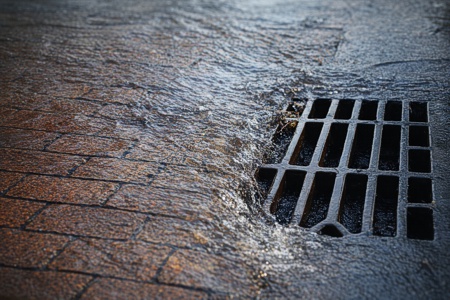 Stormwater begins as rain or melting snow that lands on roofs, driveways, sidewalks, lawns, and roads.
In natural areas, much of this water soaks into the ground. But in developed communities like Stockertown, hard surfaces called impervious surfaces preventing water from soaking in.
Instead, the runoff flows across the ground, picking up whatever is in its path: oil drips from cars, lawn chemicals, sediment, litter, pet waste, and other pollutants. This polluted runoff travels into gutters, roadside swales, and drainage systems, eventually reaching local creeks and streams.
Stormwater still affects flooding, water quality, and the health of our local waterways. Heavy rain can overwhelm drainage areas, cause erosion, and carry pollutants directly into the Bushkill Creek watershed. Small actions by residents — like proper disposal of chemicals, maintaining vehicles, picking up pet waste, and keeping yard debris out of the street — make a meaningful difference in keeping our waterways clean.
Stormwater management is not only about preventing pollution; it’s also about protecting property. When stormwater cannot soak into the ground, it can pool in low areas, wash out driveways, erode soil, and damage culverts or roadside channels. By understanding how stormwater moves through our community, residents can help reduce flooding, protect local infrastructure, and keep Stockertown’s waterways healthy for wildlife and future generations.
What can you do to help?
Preventing pollution from occurring is a great first step. This can be achieved by considering all the little things you do each day that has effect on the environment and then seek ways to do them in an environmentally friendly way. Consider the following:
Pet Waste
Pet waste can be a major source of bacteria and excess nutrients in local waters. When walking your pet, pick up the waste and dispose of it properly. Leaving pet waste on the ground increases public health risks by allowing harmful bacteria and nutrients to wash into the storm drain and eventually into local water bodies.
Fertilizer
Excess fertilizers and pesticides applied to lawns and gardens wash off and can pollute streams. Use pesticides and fertilizers in accordance with the manufacturer's recommended amount. Never leave yard waste in the street and don't sweep it into storm drains or streams.
Construction
Construction activities can be a big source of stormwater contamination if runoff is not properly controlled. Pollutants such as sediment, debris, and chemicals could easily be picked up in stormwater runoff if you or your contractor are not careful. It is easier to protect your stormwater features and waterways than to replace, repair, or clean them if damaged due to improper site maintenance. Be sure to:
- Minimize the amount of soil you need to disturb to control erosion and create a grass buffer.
- Protect stormwater areas, open waterways, as well as vegetative areas or woodlands with silt fence or silt sock.
- Do not cross streams or enter streams with equipment unless you have obtained a stream crossing permit. Protect open waterways from construction activity with silt fence or silt sock.
- Inspect the site regularly, especially after each rain event, to ensure all control measures are operating properly.
- Clean up the site to eliminate debris, chemicals and other pollutants from being picked up by stormwater runoff.
- Sweep dirt off impervious surfaces regularly.
- Enter and leave the site using an appropriately stabilized entrance. Do not run through swales or a muddy access.
Vehicle Maintenance
Keeping up with vehicle maintenance helps protect our waterways. When a vehicle leaks oil, antifreeze, brake fluid, or other liquids they lay on the surface of the road. When it rains or snow melts, the runoff picks up the pollutants and carries it into our waterways. Never dump any chemical out on the road, your driveway, or into a stormwater system. Clean up spills immediately with kitty litter or other absorbent material and sweep it up for proper disposal.
Quick Reminders
Do your part to make our waters clean for aquatic life to live in and for us to enjoy by following these quick steps:
- Never pour any hazardous substance such as used oil, cleaning supplies, paint, or vehicle fluids outside where it could enter any part of the stormwater system or impervious surfaces. Dispose of them properly.
- Use pesticides and fertilizers sparingly to prevent excess runoff.
- Correct vehicle leaks (dripping fluids) such as oil, grease, gasoline, antifreeze, and brake fluid.
- When walking your pet, pick up the waste and dispose of it properly. Leaving pet waste on the ground increases public health risks by allowing harmful bacteria to wash into the storm drain and eventually into local water bodies.
- Sweep up litter and debris from sidewalks, driveways, and parking lots to avoid having it wash into stormwater systems which could clog them or wash into waterways.
- Inspect your stormwater system or your erosion and sediment control (if under construction) regularly to ensure it is operating properly.
Stormwater Videos
After the Storm by US EPA
Reduce Runoff: Slow it Down, Spread it Out, Soak it In by US EPA
Stormwater Resources for Residents
What You Can Do to Soak Up the Rain
Resources for Residents
Homeowners Guide to Stormwater Maintenance
What you need to know to take care of your property.
Penn State Extension: Urban Stormwater Basics
Simple explanations of how stormwater systems work in towns and boroughs.
U.S. Environmental Protection Agency